
High-Quality Anti-Fog Coating Solutions
For over 50 years, Exxene has been a global leader in polymer and glass coating technologies, delivering optically transparent finishes trusted across architecture, automotive, aerospace, electronics, and protective eyewear industries. Our innovative coatings are engineered to protect, enhance, and extend the performance of your products.
Delivering Clear Visibility With Anti-Fog Coating
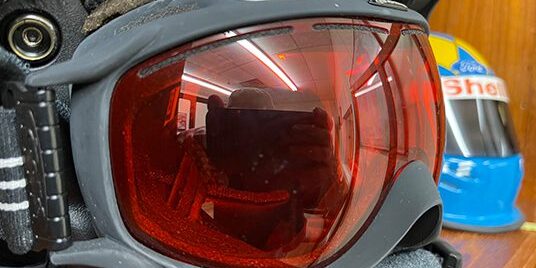
Exxene’s anti-fog coating solutions prevent condensation and fogging in high-humidity or temperature-fluctuating environments. Ideal for eyewear, automotive interiors, and displays, they ensure consistent clarity and visibility. Durable and easy to integrate, they improve user safety and reliability.
Providing Lasting Clarity With Anti-Fog Liquid Coating for Glass
Our anti-fog liquid coating for glass is a permanent solution that prevents fogging on transparent surfaces. Suitable for both glass and plastic substrates, it delivers durable, long-term performance in environments with high humidity or temperature changes.
Improving Durability With HCAF Coating
Exxene’s HCAF coating combines flexibility and hardness for enhanced adhesion and impact resistance. Compatible with multiple substrates, it’s ideal for products needing durability and clarity. This specialty formula strengthens performance without compromising design.
At Exxene, we combine deep expertise with advanced materials science to deliver coatings that protect, perform, and last. Contact us today and experience the next generation of surface solutions.
Exxene Anti-Fog surface treatments include temporary antifog cleaners, persistent fog-resistant coatings, and permanent, thermoset compositions formulated to eliminate fogging and frost accumulation. Water vapor is absorbed or adsorbed, rendering condensed moisture into a transparent, contiguous layer of clear water.
Fog-Free Coatings for Various Substrates
All coating types produce a clear, fog-free surface on a variety of substrates. These liquid coatings are provided in both aqueous and solvent carriers and can be imparted to the substrate by air drying or thermal-cure processing.
Performance Characteristics
Condensation control occurs by modifying surface energy. Thermal curing and ultraviolet light-curable antifog coatings are comprised of cross-linked networks of hydrophilic or surface-active molecules. Permanent coatings are wholly comprised of such bound antifog molecules and resist removal or loss of functionality due to repeated exposure to handling and cleaning. These types of antifog coatings generally last the life of the product, excluding removal by abrasion or highly corrosive substances.
Persistent But Impermanent Antifog Coatings
Persistent antifog coatings are impermanent, their antifog property being additionally reinforced by mobile surface-active agent content. This type of antifog coating can be rendered ineffective and is suggested for use in semi-sealed product applications where they are protected from cycles of handling and cleaning.
How Mobile Agents Prevent Fogging
Fog-free characteristics are achieved with mobile surface-active agents and hydrophilic binders if using temporary antifog surface treatments. The functional material continues to provide resistance to fogging and frost accumulation until handling or repeated condensation removes the antifog agents from the substrate. These types of antifog materials will require repeated applications over time.
Application
The functionality of permanent antifog coatings benefits from the application of a thicker layer, in the range of six to twelve microns. Less permanent coatings also benefit from the application of a thicker layer, but temporary treatments generally function well at much lower thicknesses.
Preferred Methods for Antifog Coating Application
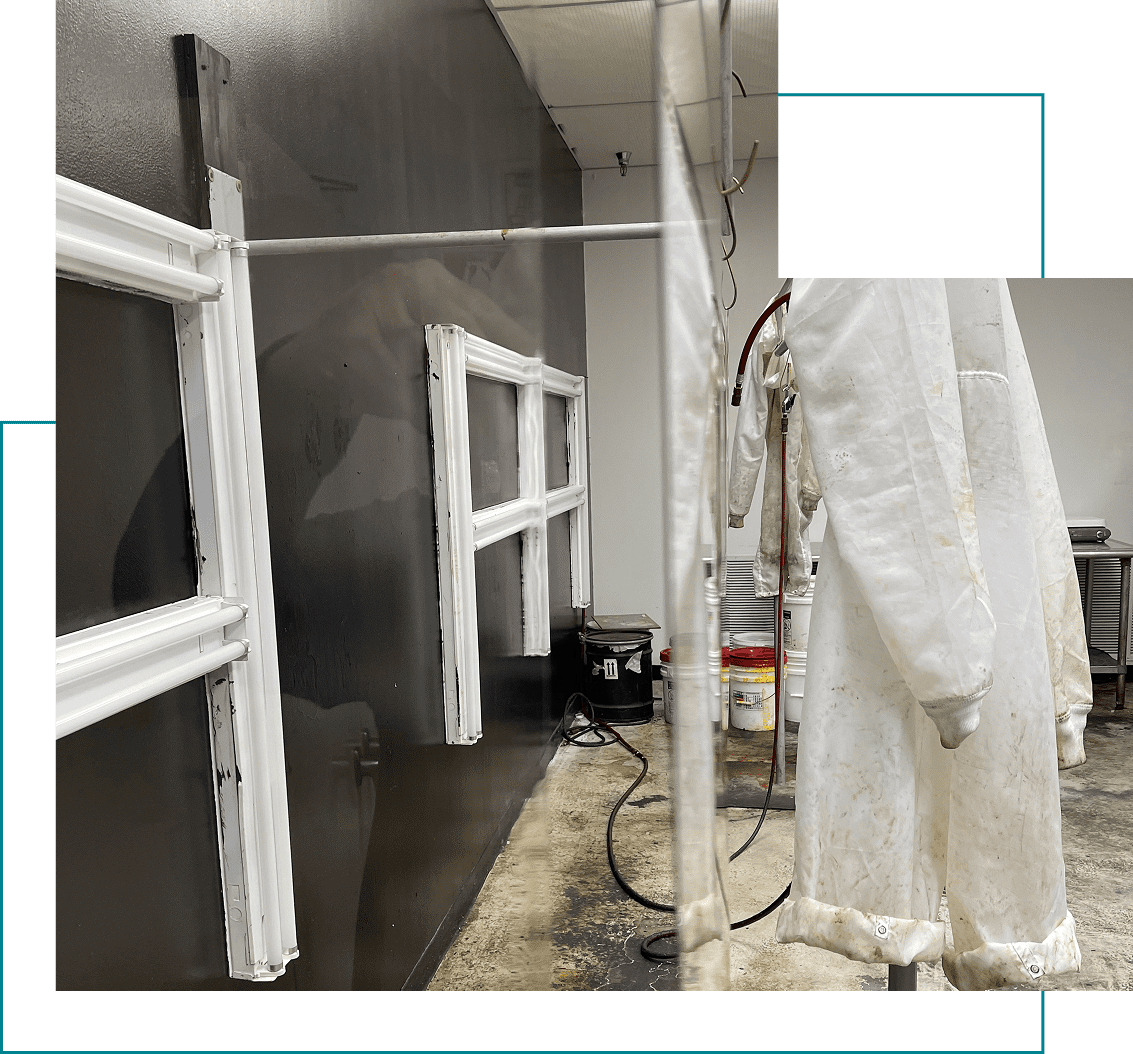
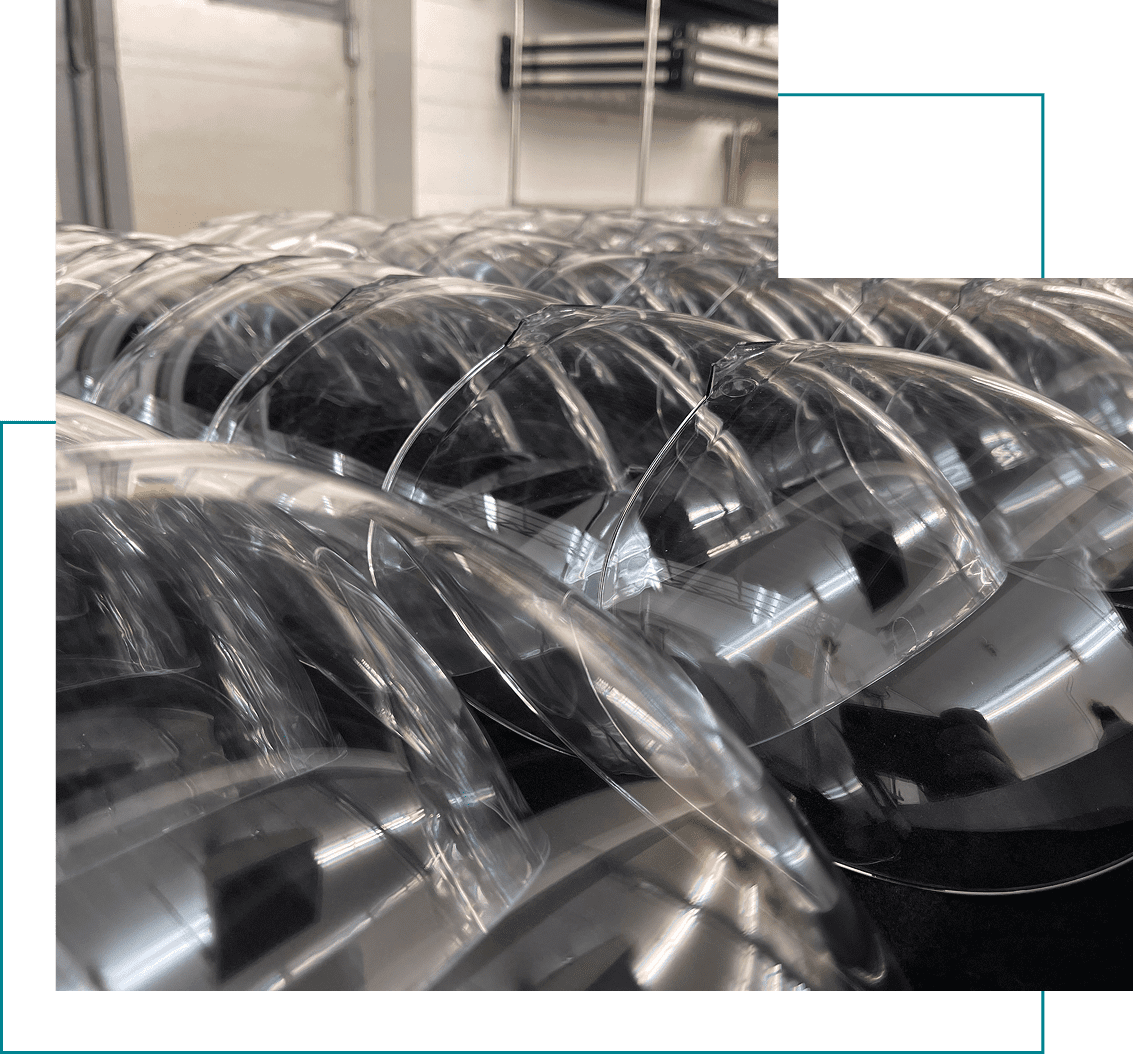
Flow and dip coating are the preferred methods to apply our curable antifog coatings. Spray application of solvent-based antifog coatings is feasible, though the resulting, thinner layer will produce less fog resistance. Aqueous coatings are difficult to spray without dilution and the resulting reduction in efficacy.
Temporary antifog treatments can be applied manually as supplied as well as in a diluted form, or they can be sprayed, dipped, or flow coated onto a surface.
Humidity control is required prior to curing antifog coatings to prevent blush-induced opacity caused by ambient moisture absorption.
Anti-Fog Products
Persistent Anti-Fog Treatments
HTAF-936 General Use
The HTAF-936 is best suited for semi-sealed environments such as gauges, optics, instrument panels, and lighting. It is a surface-active urethane dispersion with a minimum cure temperature of 60 degrees Celsius.
Temporary Anti-Fog Cleaners
I-99 General Use
The I-99 Anti-Fog Cleaner is a concentrated antifog liquid developed for general use on uncoated plastic and glass. The product is an air-drying, aqueous solution of nonionic, hydrophilic surfactant. I-99 is available in bulk liquid and pre-packaged into multi-use towelettes (Klean n' Klear Anti-Fog Towelettes).
Frequently Asked Questions
Can Exxene develop custom coating solutions for specific project needs?
Yes, Exxene offers custom formulation services to meet specific application requirements. Our team works closely with clients to develop tailored coatings that align with their performance, appearance, processing, and regulatory needs. Whether it's adjusting hardness, flexibility, or curing properties, we provide solutions that fit seamlessly into your product design and manufacturing process.
Are Exxene’s coatings compliant with environmental or industry standards?
Exxene formulates its coatings to meet stringent environmental, health, and safety standards. Many of our products are low-VOC, ROHS-compliant, and designed for reduced environmental impact. We also ensure compliance with relevant ISO, ASTM, and other industry-specific performance standards, depending on the intended application.
Does Exxene provide technical support during implementation?
Yes, we offer comprehensive technical support to assist with product selection, application methods, and process optimization. Our experts help ensure that coatings are applied correctly, perform as expected, and integrate smoothly into your production workflow.